Chapter 01 : Pan-Africanism
| Introduction The development of Pan-Africanism in Africa is directly linked to the history of the development of capitalism in Europe and the Americas. In this chapter you will learn about the concept and origin of Pan-Africanism. You will also learn about the origin and development of Pan-Africanism from the 15th to the 20th centuries. The competencies developed will enable you to appreciate the initiatives taken by the Africans towards self-determination. You will also be able to advocate and value African identity, dignity and freedom. |
| Think Pan-Africanism as a vision of continental unity |
The concept of Pan-Africanism
The term Pan-Africanism is derived from two words: ‘pan,’ meaning all, and ‘Africa,’ meaning the continent. Pan-Africanism is a belief that African people have much in common, including common identity, common culture, common destiny, and the shared history of colonialism and imperialism. This movement originated in the Caribbean Islands, U.S.A. and other parts of the New World under the influence of different social, economic, cultural and political factors. The belief in Pan-Africanism is based on the uniqueness and spiritual unity of the people of African origin. Although Pan-Africanism was started by the people of African origin in the New World, it became a worldwide movement that encouraged and strengthened the solidarity of all black people. The movement sought to bring all people of African origin together so that they could fight against racial discrimination, colonial domination, and the evils of imperialism.
Pan-Africanism was founded by Edward Wilmot Blyden (1832-1912) and later strengthened by Henry Sylvester Williams (1869-1911), both from the Caribbean Islands. The latter was a lawyer from Trinidad and is remembered for convening the first Pan-African Conference in London in 1900. In London Conferences was attended by a few representatives from Africa and a big number of delegates from America and the Caribbean Islands. It was also attended by students such as William H.B. Du Bois, who later became a prominent scholar and famous Pan-Africanist. In 1910, Du Bois and his fellow civil rights activists formed the National Association for the Advancement of Coloured People (NAACP), through which they spread Pan-Africanism.
Objectives of Pan-Africanism
Pan-Africanism sought to spread democracy all over the world and to lead Africans in their struggles to regain their freedom and dignity worldwide. As a result of the slavery and slave trade, Africans were scattered in many parts of the world and they faced economic, political, cultural and social discrimination. To overcome the problem, Africans resolved to form an organisation that would unite them and coordinate their efforts towards liberation and attaining racial equality.
Pan-Africanism started as a movement geared to restore black identity and dignity within the capitalist system in the New World, but later it turned out to be a worldwide movement to protect black people against colonial oppression and imperialist domination. The major objective of Pan-Africanism was, therefore, to liberate Africans from imperialism. This would be achieved by organising global black solidarity.
In Africa, Pan-Africanism focused on the liberation of African countries from colonial rule. This goal was made clear during the Manchester Conference of 1945, which called for African solidarity to end imperial domination. Therefore, the conference activities and Pan-Africanism shifted to Africa and its first major success was the independence of Gold Coast (Ghana) in 1957. Following Ghanaian independence, Accra was chosen as the headquarters of Pan-Africanism in 1957, meaning that Pan-African activities had effectively moved to Africa.
Importance of Pan-Africanism
Pan-Africanism is still relevant today because it liberalises and connects the African people, especially as the world becomes more competitive, integrated, and interconnected. It creates a sense of togetherness among the people of Africa descent in a number of ways. Firstly, Pan-Africanism promotes unity and solidarity among the people of African descent, regardless of the geographical location or national identity. By fostering a sense of interconnectedness and shared destiny, the Unity is able to overcome divisions created by colonialism and promote cooperation for common goals, such as social justice, economic development, and political liberation. It has fostered the view that the black people share a common destiny and struggle for the same common goals.
Secondly, Pan-Africanism has been a driving force in the struggle against oppression, racism, and colonialism. Historically, Pan-Africanism has provided a framework for resistance movements, anti-colonial struggles, and civil rights movements across the African continent and among the African diaspora uniting diverse communities under a common cause, Pan-Africanism has empowered individuals and groups to challenge the systems of oppression and proclaim their rights.
Thirdly, Pan-Africanism celebrates the rich cultural heritage of Africa and its diaspora, promoting cultural exchange, appreciation, and preservation. It emphasises the importance of reclaiming African history, languages, traditions, ideals, and values which were often suppressed or distorted during the periods of enslavement and colonisation. Through cultural activism and education, Pan-Africanism fosters a sense of pride, identity, and belonging among the people of African descent.
Fourthly, Pan-Africanism has broadened awareness of the need to research African history, culture, literature, religion, music, and art which act as tools to make Africa known to the outside world. For example, John Bruce researched and wrote about the foundation of human civilisation by showing the achievements reached by Africans, particularly in ancient Egypt and Ethiopia.
Fifthly, Pan-Africanism presents a sense of African commitment to fight against white supremacy and other forms of foreign domination on the African soil. A notable example was the effort to end Apartheid regime in South Africa.
Sixthly, Pan-Africanism promotes economic liberation and development within Africa and among the African diaspora. It advocates for fair trade, resource sovereignty, and equitable distribution of wealth to address poverty, inequality, marginalisation and underdevelopment. By fostering economic cooperation, investment, and entrepreneurship, Pan-Africanism seeks to uplift communities, create opportunities, and reduce dependency on external powers. Home-grown initiatives, such as the establishment of African Continental Free Trade Area (AfCFTA) and the Regional Economic Communities (RECs), were taken to ensure economic liberation through the continent.
Lastly, Pan-Africanism advocates for political empowerment and self-determination for African nations and communities. It seeks to eliminate neo-colonial structures, promote democracy, and advance the interests of the African nations on the global stage by fostering political awareness, and proper leadership. Pan-Africanism also advocates for the creation of a just society worldwide that respects the sovereignty and rights of all nations.
Slavery and Pan-Africanism from 15th to 19th centuries
The historical development of Pan-Africanism from the 15th century to the 19th centuries is linked to the development of slavery and trans-Atlantic slave trade in Africa, particularly on the west African coast. Slavery is a situation in which a person is legally owned and treated by another as an object of labour. It is an ancient form of exploitation and oppression. Slaves were deprived of their rights as they were bought and sold like commodities. Sometimes, slave masters could kill their slaves without anyone questioning them. Slaves owned nothing, except their labour.
Slave trade was the process of capturing, selling, and buying human beings as commodities. The Trans-Atlantic Slave Trade is the best example of how slave trade worked. The main participants in the slave trade on the African continent were Europeans, Arabs, and some African rulers especially chiefs. The Portuguese were the first Europeans to take slaves from West Africa, whereby AntónioGonçalves was the first Portuguese sailor to buy Africans along the western coast of Africa in 1441. The trade gained momentum from the early 16th century when many slaves were shipped to the New World, especially Brazil, the Caribbean Islands, and North America. During the voyages, slaves suffered humiliation and deprivation, and most of them died. As a result, there was a serious population decline in Africa. For example, it is estimated that the population of the Savannah region and the Horn of Africa declined by about 10 to 15 per cent, which was equivalent to over five million people. Further estimates indicate that the population of sub-Saharan Africa would have been nearly one hundred million instead of fifty million by 1850.
In essence, therefore, Pan-Africanism started as a reaction of the oppressed and exploited Africans, both on the African continent and in the diaspora, against slavery, slave trade, and racial segregation. It resulted from the denial of African identity and dignity by the white world.
The origins of the Trans-Atlantic Slave Trade
The Trans-Atlantic Slave Trade can be traced as far back as the 14th century when Europe was disturbed by bubonic plague, famine and epidemic diseases. These disasters killed many people, thereby causing severe shortages of labour in the agricultural sector. Some European empires started looking for slaves in Eastern Europe and Russia. However, with the rise of Sultan Mohammed II of the Ottoman Empire (r. 1451-1481) whose regime disrupted the slave trade in Europe, European slave traders could no longer access sources of slaves within Europe. Africa was, therefore, the only continent that could best serve that purpose. As a result, Western Europeans turned to Africa for slaves. Among other factors, the Trans-Atlantic Slave Trade flourished due to the development of marine technology, which transformed the navigation sector.
At the beginning of the 15th century, slave-trading activities were generally conducted along the West African coast. The Portuguese and African local chiefs acted as key players. As early as 15th century, the Portuguese had established sugar plantations in São Tomé and Principe, which relied on the African slave labour obtained along the coast of West Africa. Slaves started to be transported from West Africa to Americas after the establishment of similar plantations in the Caribbean Islands, and other mines in South America.
There were various reasons for the Europeans’ preference for African slave labour in America. These reasons include:
(a) The American-Indians who had been initially used by Europeans as labourers had lower immunity to tropical diseases such as smallpox and malaria compared to the Africans.
(b) The indentured labour from Europe proved to be unreliable, owing to its limited supply and high mobility. The indentured labourers worked on contract terms, meaning that they were free to leave their employers after the contracts had expired.
(c) American-Indians could escape from the slave masters because they were familiar with the environment, while African slaves could easily remain hidden in the society because they did not know much about the environment;
(d) African slaves were financially cheaper than European slaves or indentured labourers. The European-indentured labourers were to be paid at the end of their contracts, usually in the form of a piece of land or a precious metal (gold and silver). Moreover, Europeans slaves were criminals who were serving their sentences and, therefore, they would be released at the end of their sentences. This was different from African slaves who were used and sold as sources indefinitely;
(e) West Africa was nearer to America; hence, it was easier to transport African slaves across the Atlantic Ocean to Americas;
(f) Most of the Indian-Americans were hunters and gatherers (foragers), hence, they were not experienced in working the land contrary to African slaves who were experienced cultivators and could tolerate long working hours in the fields.
| Activity 1.1
|
The rise of the Trans-Atlantic Slave Trade
The Trans-Atlantic Slave Trade started following the activities of the European merchants and geographers who came to Africa and America around the 15th century. The Italian sailor and explorer, Christopher Columbus, who was working for Queen Isabella of Spain, discovered America (sometimes called the New World) in 1492. His discovery prompted the Europeans to open up various economic projects such as mines, plantations and trade in America. These projects spearheaded the development of mercantilism. The Portuguese established themselves in Brazil, the Spanish settled in various parts of South, Central, and North America, while the English, the Dutch, and the French settled in the Caribbean Islands and North America. European activities in these areas, mainly plantations and mining, demanded massive labour power.
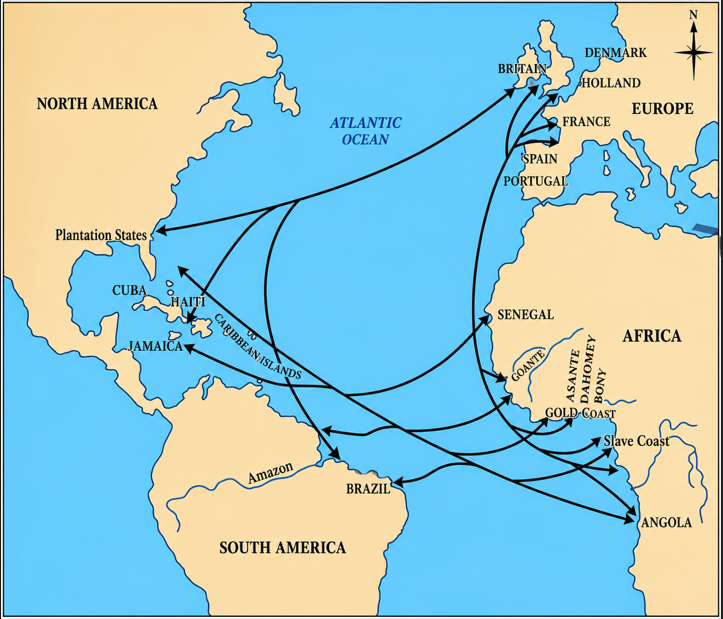
The Trans-Atlantic Slave Trade, which is also called the Triangular Trade or the Great Circuit, involved three continents namely Africa, America, and Europe. The items of trade from Africa included slaves, gold, ivory, timber, dye-woods, gum, beeswax, animal skins, and spices. America supplied raw materials such as tobacco, cotton, indigo, and sugarcane to European industries. Europe provided managerial direction and manufactured goods. The major participants in this trade were African local chiefs, the Dutch, the British, the Portuguese, as well as the French. In West Africa, slaves came from the areas stretching from the Gold Coast (Ghana) to Cameroon. Other slaves were obtained from as far south as Congo and Angola. Slaves were transported from the interior to the coastal centres or ports. Among the famous ports were Axim, Elmina, Bissau, Christiansburg, Cape Castle, Whydah (Benin), Lagos, Bonny and Old Calabar. Figure 1.1 shows the interconnection of the Triangular Trade between Europe, Africa and the New World.
|
Figure 1.1 Triangular Trade |
The emergence of the African-Americans in America
The massive shipping of the African slaves to the New World began early in the 16th century and continued until the last quarter of the 19th century. On the Barbados Island there were 11,200 white farmers owning 5,680 African slaves by 1645. Later in 1667, these small-scale white farmers were replaced by 745 big capitalist farmers owning 8,203 African slaves.
European slave traders bought and shipped slaves to the Western Hemisphere. The number of enslaved people sold to the New World varied throughout the slave trade. As for the distribution of slaves from the regions of activity, certain areas produced more slaves than others. Between 1650 and 1900, 10.2 million enslaved Africans arrived in the Americas from the following regions in the specified proportions: Senegambia (Senegal and Gambia) 4.8 percent, Upper Guinea (Guinea-Bissau, Guinea, and Sierra Leone) 4.1 percent, Windward Coast (Liberia and the eastern part of Ivory Coast) 10.4 per cent, Bight of Benin (Togo, Benin, and Nigeria west of the Niger Delta) 20.2 per cent, Bight of Biafra (Nigeria east of the Niger Delta, Cameroon, Equatorial Guinea, and Gabon) 14.6 per cent, West-Central Africa (the Republic of Congo, the Democratic Republic of Congo and Angola) 39.4 percent and South-Eastern Africa (Mozambique and Madagascar) 4.7 per cent.
It is in terms of ethnic composition, it is estimated that over 45 different ethnic groups were taken to the Americas during the Triangular Trade. According to slave documentation and modern genealogical studies, the ethnic groups which were enslaved were the Bakongo of the Democratic Republic of Congo, the Republic of Congo and Angola; the Mande of Upper Guinea, the Ewe speakers of Togo, Ghana, and Benin (Fon, Ewe, Adja, Mina); the Akan of Ghana and Ivory Coast; the Wolof of Senegal and the Gambia; the Igbo of south-eastern Nigeria; the Ambundu of Angola; the Yoruba of south-western Nigeria and Benin; the Tikar and Bamileke of Cameroon; and the Makua of Mozambique. Figure 1.2 shows a map of the major slave trading regions of Africa from the 15th to the 19th centuries.
|
Figure 1.2 major slave trading regions of Africa |
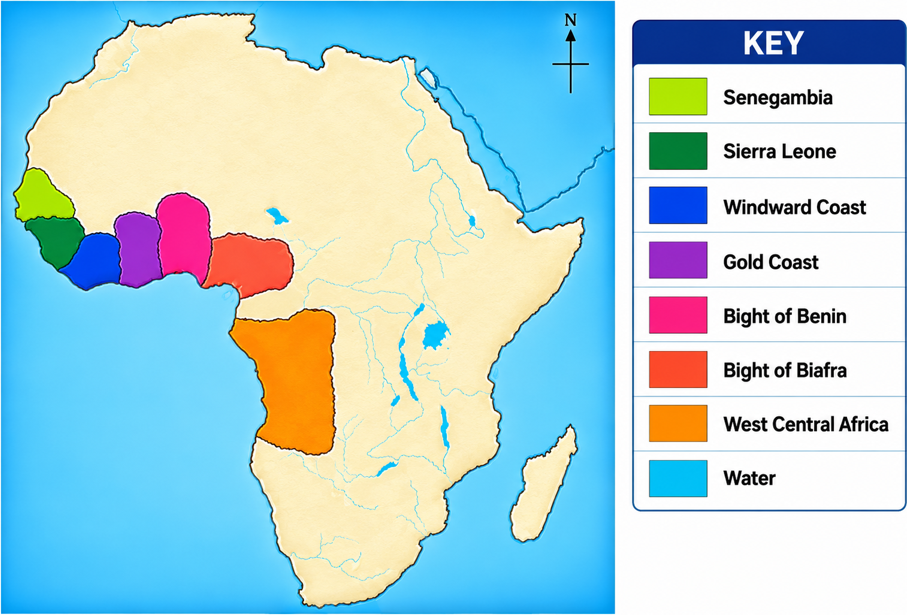
West-Central Africa was the largest source of African slaves, while Portuguese America (Brazil) was the largest destination. The African slaves were distributed to different parts of the New World as shown in Table 1.1.
Table 1.1:Distribution of African slaves in different parts of the New World
| Destination | Per cent |
| Portuguese America (Brazil) | 38.5% |
| British West Indies | 18.4% |
| Spanish Empire | 17.5% |
| French West Indies | 13.6% |
| English/British North America (United States) | 9.7% |
| Dutch West Indies | 2.0% |
| Danish West Indies | 0.3% |
Source: Rawlwnd, Seymour (1999). Transatlantic Slave Trade: Africans. The Encyclopedia of African-American Experience. New York: Basic Civitas Books.
African experience in the New World
Millions of Africans who were shipped to America starting from the early16th century faced various problems, especially after the Virginia Assembly of 1619. The Assembly passed a resolution that black slaves in the New World should be slaves forever. It meant that they had no any civil rights, including the right to marry or the right to own property. The Virginia resolution made Africans face serious economic, social, and political problems, as explained in the following section.
Political problems
The African slaves in the New World faced political exclusion as they were denied the right to vote or to be voted for. Those slaves did not have the right to vote for people who would represent their interests. They were subjected to harsh conditions which limited their opportunity to obtain political rights. In order for one to vote, one had to pass a literacy test, which most African slaves failed, since they did not attend formal school and, therefore, they could not read and write. This trick was used to put African slaves in a disadvantaged position, the situation did not change even after the attainment of independence in 1776. It appeared, therefore, that the anti-colonial campaigns and the solidarity which accompanied the wars of independence did not mean equality between whites and blacks.
On 1st January 1863, President Abraham Lincoln initiated a movement to abolish slavery in the United States. From that point, the status and respect for the African-American people were somehow elevated. The assassination of President Abraham Lincoln on 14th April 1865 reversed the situation, leading to intensified political discrimination against African-Americans. They were not allowed to assemble or hold any meetings as a way of prohibiting them from organising collective action in the form of strikes, boycotts, and demonstrations.
Social problems
Having lost their language, customs, traditions, and homeland as a result of the slave trade, Africans in the diaspora were subjected to acts of enslavement, persecution and racial discrimination. On the plantations and in the mines, for example, African slaves were treated badly and oppressed as opposed to their European counterparts. Laws, which were passed in various states such as Virginia and Maryland were aimed at oppressing Africans socially.
African-Americans were also racially segregated in the provision of public services such as health, electricity, water, and transport. For example, American bus services separated African seats from European ones. This was evident in the second half of the 20th century. Whenever African-Americans violated this racial arrangement, they were arrested. For example, Rosa Park, a 42-year-old woman, was arrested after refusing to follow the bus driver’s order to leave a seat for the white person who had missed a seat in the first ten seats, which had been reserved for whites. She was arrested on 1st December 1955 in Montgomery, Alabama. Similar racial arrangements were evident in churches, where wooden benches for the African-Americans were separated from those of white Americans. As a result, the African-Americans decided to start their own churches.
African-Americans were segregated in schools. They were only allowed to join schools designed and reserved for them. These institutions were called “slaves” schools. For instance, in 1959, nine African-American students who had been selected to join Little Rock Central High School were chased away by the head of school, who claimed that they could cause violence and bloodshed if they were allowed to join the school.
Economic problems
The African-Americans were deprived of the right to own land. They had no right to access decent employment or any supervisory and administrative works. All these were reserved for the whites. African-Americans were supposed to do manual work such as cleaning. They were not allowed to own any property, but white Americans had the right to own the major means of production such as land, companies and financial institutions, such as banks. As a consequence, African-Americans were downgraded to low-paid jobs, and therefore, they were generally paid low wages.
Liberation struggles by African-Americans
The African-Americans resisted capitalist exploitation and this came to be known as Black American Nationalism. Their struggle started to be ignited by the Virginia Assembly of 1619 and was accelerated by the American war of independence between 1775 and 1783, revolt against the French masters in Therefore, to resist such injustices, 1791. Many French slave masters were they adopted different forms of struggle killed by the slaves. The frequent slave ranging from small-scale to large-scale revolts in Haiti worried the French, struggles. Small-scale struggles included so they reorganised various suppressive escape, whereby slaves escaped from them in 1803. Surprisingly, their slaves their slave masters and hid in the forests, were defeated by the angry slaves and mountains and swampy areas. This form consequently the slaves established of struggle also involved demonstrations, the independent republic of Haiti. The destruction of equipment such as hoes, collective impact of such slave rebellions rakes and machines; burning plantations; was that the government, leaders and killing slave masters; or committing bankers in France and Britain gradually suicide. stopped supporting slavery and slave trade. This was a major achievement for Riots, revolutions, and demonstrations the African slaves in the New World. constituted a significant category of large-scale struggles by African-Americans. African-American intellectuals, Riots against slavery happened in the activists and international communities USA and other parts of the New World, spearheaded the struggle. Although Great in Brazil, for instance, slaves revolted Britain spearheaded the abolition of slave against their slave masters and ended trade and consequently banned the trade up establishing their own African state in 1807, the shipment of African slaves called the Palmares. Palmares lasted for to Brazil and Cuba continued until the one hundred years before the Portuguese 1860s. Thus, the movements to abolish slave masters destroyed it. Similarly, the slave trade became part of African- in Jamaica, frequent slave revolts were American struggles in the United States or reported during the 18th and 19th centuries. America. The anti-slavery movements were The revolts taught the European slave well intensified during the American civil masters that slavery was increasingly war, which began in 1861 and ended in becoming unviable and expensive to 1865. maintain. For instance, a group of slaves known as the Maroons revolted against For the most part, the anti-slavery their British masters. They established coalitions used non-violent means and maintained their own self-governing to liberate African-Americans from farming communities before they were capitalist domination and exploitation. defeated by their masters. However, the Such movements were supported by biggest event in the form of a revolution African-American leaders, activists, happened in Haiti, where French slave and intellectuals, including Fredrick masters owned sugarcane plantations. Douglass, Booker Taliaferro Washington, In Haitian revolution, Toussaint Marcus Aurelius Garvey, Martin Luther L’Ouverture led his fellow slaves to King Junior, Malcolm Little (Fairly) popularly known as Malcolm X), Edward Wilmot Blyden and William Du Bois, whose contributions are explained below.
Frederick Douglass (1818-1895)
Douglass was an African-American social reformer, abolitionist, orator, writer, and statesman. He was born a slave and worked in Maryland as a slave, before he escaped and became a national leader of the abolitionist movements in Massachusetts and New York.
|
|
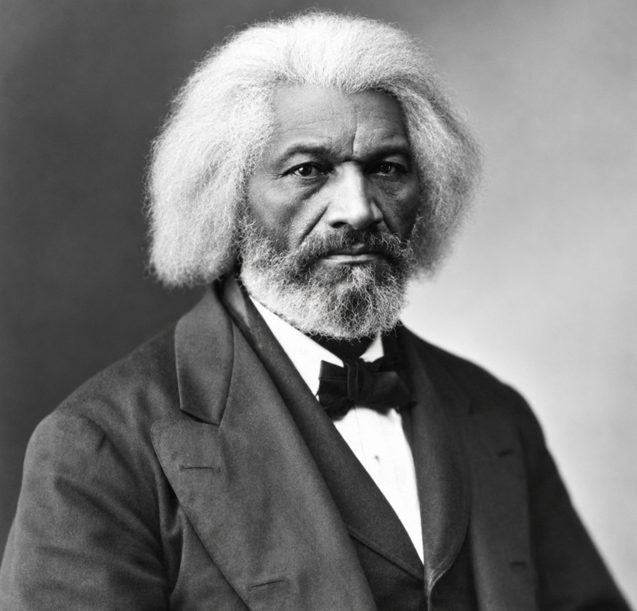
Douglass concentrated his efforts on programmes meant to complete emancipation of African-Americans. He was an integrationist who wanted African-Americans to be integrated into American society politically and economically. After the abolition of slavery in the USA, Douglass struggled for political equality between the people of African origin and others. His efforts bore some fruits as a few African-Americans got voting rights and others were elected into various state legislatures. For example, some African-Americans were elected as congressmen and one was promoted to the position of a senator. However, the big political success was only short-lived because in the 1880s and 1890s the whites in the southern states became so reactionary.
Booker Taliaferro Washington (1856-1915)
|
|
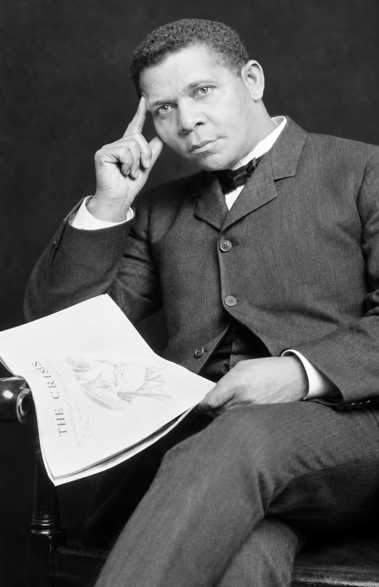
Washington was an African-American educator, author, and orator. He was born into slavery and rose to become a leading African intellectual of the 19th century. He was the founder of the Tuskegee Normal and Industrial Institute (now the Tuskegee University) in 1881 and the National Negro Business League, two years later. He also served as advisor to several presidents of the United States.
Between 1890 and 1915, Washington was the most prominent leader in the African-American community. Originally, he was a slave in the south, but later fought for his education to the point of becoming
an activist, fighting for the rights of African-Americans. He advocated for economic progress through the attainment of industrial vocational skills. He was convinced that the black people had first of all to acquire economic power as a prelude to acquiring political rights. He also believed that this could be achieved through the provision of industrial education.
William Edward Burghardt Du Bois (1868-1963)
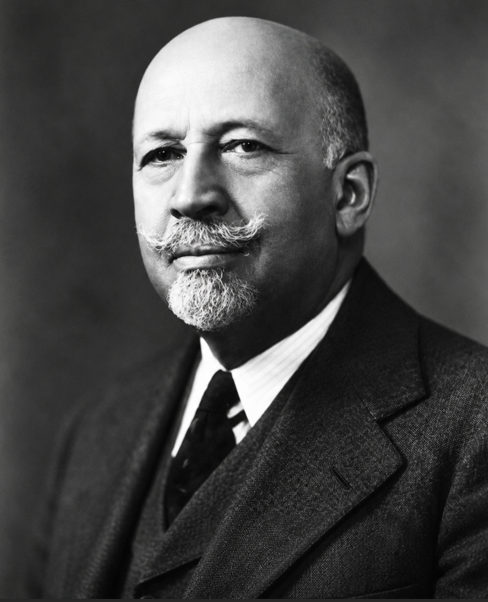
Du Bois was a prominent African-American sociologist, historian, author, and editor. He was an important leader of the African-American struggle in the USA during the first half of the 20th century. He wanted African-Americans to attain political power, which was the first step towards the integration into American society. He formed an organisation known as the National Association for the Advancement of the Coloured People. He wanted African-Americans to struggle for their civil rights and to be part and parcel of American society. He was an integrationist who wanted full constitutional rights to attain African-Americans’ civil rights. Later, he was engaged in organising Pan-African Congresses, including the Manchester Conference of 1945. His organisation was an elitist one and did not get mass support from the African-American community.
Marcus Mosiah Aurelius Garvey (1887-1940)
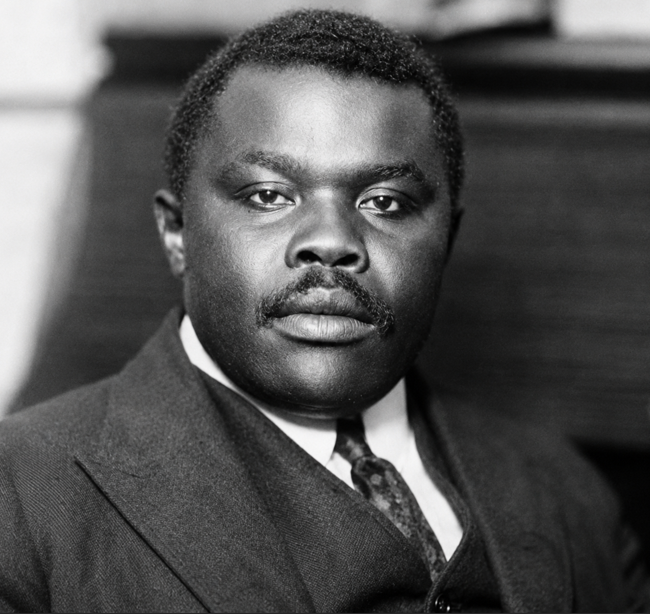
He was a Jamaican and a leader of the Pan-Africanist Movement. Garvey attended school in Jamaica until he was 15 when he left St. Ann Bay and went to Kingston, where he worked as an apprentice in a print shop. He did not advocate for the integration of black people into American society but wished to build a separate culture and power for the black people worldwide. His desire to establish a separate identity and culture for African-Americans explains his adoption of the slogan “Back to Africa.” Garvey believed that Africa was black people’s original homeland and thus an ideal place for them emigrate. His organisation, the Universal Negro Improvement Association (UNIA), was formed in 1916 and lasted until 1927. Like Du Bois, Marcus fought so that black people could achieve political and economic prospects. He set up Negro factories enterprises, including Negro factories and a shipping line known as the Black Star Line for conducting trade between North America and West Africa. Marcus Garvey was jailed in 1923 after he was found guilty of forgery. In 1925 he was released after being pardoned by the President of the USA. He was deported to Jamaica in 1927.
Edward Wilmot Blyden (1832-1912)
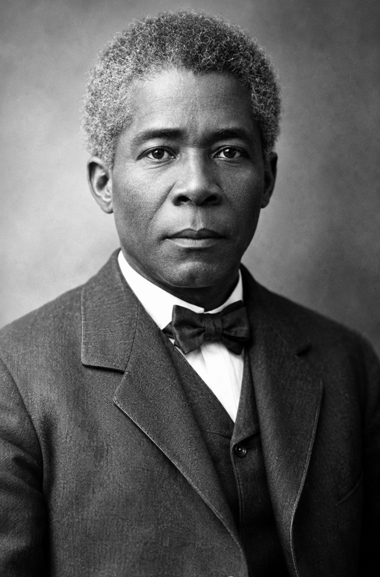
Blyden was born in St. Thomas, Virgin Island, in the Caribbean. He was a Liberian educator, writer, diplomat, and politician, who was primarily active in West Africa. Having felt the impact of racial discrimination, he joined the waves of black immigrants who migrated to Liberia in 1850. He dignified African personality and condemned white superiority and the exploitation of black people. He wanted the people of African origin to dismantle the white superiority complex by showing their ability to manage themselves. He published on Pan-Africanism and campaigned for the “Africa for Africans”.
Apart from the elitist movements, the African-Americans also staged mass demonstrations. For example, in 1955, there were demonstrations in Montgomery, the capital city of the state of Alabama in the United States, to condemn racial segregation. African-Americans started breaking the rules made by the white government. They violated the racial rules that prevented them from accessing the public services provided to the white people only, such as stores and restaurants. Similarly, they protested against racial discrimination in public transport. Protests against racial discrimination in the American transport sector were sometimes referred to as transportation protests; they were common in the United States in the 1920s. Events involving protests against segregation in the transport system are widely documented in American history books. During the 1850s, African-Americans were strictly forbidden to board buses which bore the signs that read “Colored Persons Not Allowed.” Used songs, poems, and slogans as techniques for raising and instilling consciousness among themselves. The slogans included “We shall overcome” by Martin Luther King Jr. and “It is better to die than live as slaves” by Frederick Douglass. Such slogans fostered and reinforced black solidarity.
American government took significant initiatives to end slavery and slave trade. On 22nd September 1862, the American government issued the preliminary Emancipation Proclamation. That was after the introduction of the Emancipation Proclamation or Emancipation Act by President Abraham Lincoln. The law demanded the abolition of slavery and slave trade in all American states. The law declared slavery and slave trade illegal. The proclamation was formally signed and issued by President Lincoln on the 1st January 1863. However, the introduction of “Black Codes” and the formation of the Ku Klux Klan terrorist groups during the presidency of Andrew Johnson from 1865 to 1869 prevented African-Americans from emancipating themselves from the institution of slavery, although the black people never gave up. They began to devise new methods to achieve their civil rights and freedom. Such movements were organised under the name of Black Solidarity. The champions of Black Solidarity were Marcus Mosiah Garvey and Martin Luther King, Jr.
Black Solidarity and the Back-to-Africa Movement
Black Solidarity refers to the spirit of cooperation and togetherness among the oppressed and exploited people of African origin in America. These people were united by common forms of capitalist exploitation, and collective black identity was essential in the struggle against racial oppression. The philosophy of Black Solidarity led to the formation of such movements as the Back-to-Africa Movement as explained in the subsequent sections.
Back-to-Africa Movement
The Back-to-Africa Movement was African-Americans’ collective movement for liberating themselves from American oppression, discrimination, humiliation and exploitation. It encouraged them to go back to their original homeland, that is, Africa. The migration of African-Americans to Africa was considered a solution to the problems they were facing in the diaspora. The Back-to-Africa Movement was founded by Marcus Garvey in 1920 and it mobilised thousands of African-Americans who wished to go back to Africa. Garvey believed that no blacks in the New World find a true home in Africa. To him, the duty of the world could discuss their common problems and aspirations in the New World was to find ways to return to Africa, where they could work together with their fellow Africans and build a free and mighty nation.
However, such migrations started in the early 1800s, especially after the formation of the American Society for Colonising the Free People of Colour of America Colonisation Society (ACS) in 1816. The first attempt to take slaves to Africa was made in 1820 when some ex-slaves were taken to Sierra Leone, but they died of tropical diseases. In 1847, the ACS founded the Republic of Liberia and many African-Americans and ex-slaves emigrated there. The substantial number of African-Americans migrated to Liberia in the 1800s and 1850s.
Objectives of the Back-to-Africa Movement
The movement intended to promote a sense of cooperation among black people all over the world. The Back-to-Africa Movement believed that all the black people in the New World and Africa were one; as such, they should unite and fight for their rights. The idea was that the Africans in the diaspora should support their fellow Africans to fight for independence. In order to build a sense of unity among Africans, Garvey established connections with some political leaders in Africa, including Abd el-Karim of Morocco, and created a parliament in the form of an international convention, where members from different parts of the home in Africa. Garvey emphasised the need to utilise African resources for the benefit of the African people. Moreover, the movement sought to bring together all black people from the Caribbean islands, America and Europe, who shared a common history, race and dignity. Garvey emphasised separate development between white and blacks and said that such separation could only happen if Africans struggled economically and politically separately from whites.
The Back-to-Africa Movement sought to preserve the culture and beliefs of Africans and people of African origin, who had suffered oppression in America. African culture was considered worthy and, as such, deserved to be preserved. Therefore, the Back-to-Africa Movement was thought to be the best way of protecting African culture.
The leaders of the movement worked hard to eradicate all forms of segregation that African people had been subjected to. In an effort to liberate the people from racial oppression, the leaders frequently called on African-Americans to unite to challenge it.
Achievements of the Back-to-Africa Movement
The movement succeeded in repatriating some of the African-Americans who were willing to go back to Africa. They were transported by the Black Star Shipping Company, which belonged to Marcus Garvey. They settled in Liberia and Sierra Leone. They were given fertile land to cultivate and to establish new settlements.
The Back-to-Africa Movement inculcated in Africans a sense of unity and love through slogans like “Africa for Africans.” This made Africans feel that they came from the same ancestor, so they were morally bound to help each other in their struggle for equality. For example, through an international convention that was initiated by Marcus Garvey, it was possible to establish a spirit of brotherhood that assisted in promoting independent African nations.
Another important achievement of this movement is that it had a foundation for the philosophy of Negritude, as reflected in Garvey’s idea of “pride no shame in black skin.” The movement influenced further movements of emancipation in Africa such as the Kingdom Movement in the Belgian-Congo.
Problems which faced the Back-to-Africa Movement
In 1923, Marcus Garvey was jailed for five years, but he was pardoned in 1925. Later in 1927, he was deported to Jamaica. Since Garvey was the initiator of the movement, his absence caused fear among his fellow African-Americans, who found it very difficult to sustain the movement without him. Moreover, he was the main sponsor of the movement. As a result, the people who were left behind could not afford the expenses of running the movement. The shipping company (Black Star) needed money to do its activities like supplying basic needs, including food, and other necessities. Eventually, the movement became very weak.
Worse still, the colonial governments in Africa refused to accept the African-Americans, fearing that they might initiate anti-colonial movements on the continent. The new arrivals found themselves in a very precarious situation as they were now unwanted in what they believed to be their original homeland. Only two countries in Africa (Liberia and Sierra Leone) received immigrants from America.
There was also an ideological difference between Marcus Garvey and William Du Bois on matters concerning the Back-to-Africa Movement. This caused confusion among African-Americans, who eventually got divided. Garvey believed that, in order for African-Americans to be free, they needed to go back to Africa because America was not their motherland and was, in fact, a source of the problems they were facing. However, Du Bois believed that, if Africans wanted to fight for their rights, they had to fight while in America. He once said, “If it happens that Africans should return to Africa, I will be the last.” These two differing views left African-Americans divided on how to go about fighting for their rights.
In addition, the Back-to-Africa Movement received very strong opposition from the American government. The government believed that African-Americans were crucial to the development of American capitalism. African-Americans were needed in the industries as workers. Having seen the potential of African-Americans, the government was reluctant to let the movement continue and, therefore, the solution was to frustrate the movement. This is evidenced by the imprisonment of Marcus Garvey and his final deportation to Jamaica.
Another problem that faced the Back-to-Africa Movement was tropical diseases, which affected African-Americans in Africa. As already mentioned, most of African-Americans who were shipped to Sierra Leone were wiped out by tropical diseases.
Likewise, some African-Americans were reluctant to migrate to Africa because of lack of knowledge about Africa. A few of them were prepared to go back to Africa. The majority chose to remain in America, where they suffered oppression and exploitation.
| Activity1.2 Using any ICT device listen to Martin Luther King Junior’s famous speech titled: “I have a Dream (1963)” then answer the following questions:
|
www.learninghubtz.co.tz
Exercise
1. Explain the essence of the phrase “Africa is for the Africans.”
2. The presence of the people of African origin in the New World is the legacy of the Trans-Atlantic slave trade. Explain.
3. Examine other large-scale struggles by African-Americans against capitalist exploitation
4. Suggest different ways that Africans can use to value their identity and promote unity among themselves
5. Discuss the contention that Pan-Africanism was a vehicle to reclaim African history.
Pan-Africanism from 1900 to 1960
The development of Pan-Africanism during this time was geared towards anti-colonial struggles in Africa. Pan-African activities operated through conferences. Several conferences were held in various parts of the world. Six congresses were held from 1900 to 1945 and most of them were held in Europe. The following were the Pan-African conferences and their resolutions.
The London Conference of 1900
This was the first Pan-African conference held in London from 23rd to 25th July 1900. The conference was organised by the Trinidadian lawyer, Henry Sylvester Williams. It was attended by various people of African origin. The London conference had various aims, includingbringing people of African origin together. It also acted as a forum for protesting against colonial exploitation in Africa. The conference coined the concept of “Pan-Africanism.” It was attended by Du Bois, who popularised Pan-Africanism afterwards. It also appealed to the British government to protect the people of African origin from imperialist exploitation and called for solidarity among Africans in the diaspora.
The Paris Conference of 1919
This conference was organised by Du Bois and Ida Gibbs Hunt. It was held in Paris in 1919 just after the First World War, when African-Americans demanded the Versailles Peace Conference that was held in France to address African’s problems as well. It was attended by 57 delegates. Thus, the conference appealed to the Versailles Peace Conference to adopt a policy of mandate for the former colonies of Germany, which were Togo, South West Africa (Namibia) and German East Africa (Tanganyika, Rwanda and Burundi). The petition was eventually adopted by delegates of the victorious powers who created the Versailles Peace Conference. The resolutions passed included enacting a code of laws for providing international protection to the natives of Africa, abolishing slavery and the slave trade, enforcing universal education for African children and upholding the rights of Africans to own land.
The Brussels Conference of 1921
This conference brought together 113 delegates. Africa alone had 41 delegates, most of whom came from the French colonies. At the congress, Blaise Diagne of Senegal opposed the resolutions passed by his fellow Africans. This is because Diagne continued to advocate for an African role in France. In short, he was a beneficiary of French colonialism in Senegal. However, the participants at the conference, especially Du Bois, harshly condemned him for his lack of commitment to Africans’ interests. Generally, the conference condemned racial segregation and demanded equal rights for all people of African origin. It also condemned colonialism and called for self-determination for all African states. It endorsed a document called the “Declaration to the World”, which stipulated that “equality of all races was the absolute foundation of human advancement in the world whether politically, socially, or economically.”
The Lisbon Conference of 1923
The conference was held in Lisbon, Portugal, for two purposes. The first was to express its dissatisfaction with Garveyism. Garvey advocated for the Universal Negro Improvement Association (UNIA) and the African Communities Imperial League, in which he declared himself a provisional president of Africa. Some of his fellow Pan-Africanists objected to his declaration. The second purpose of the conference was to protest against the suppression of Pan-Africanism. At the end of the congress, various resolutions were reached. It was resolved that black people should have voice in their governments, should own land and enjoy its resource, should have access to free education and should have a fair trial under the established process of law. Generally, the conference demanded the black people in the world to be treated as human beings.
The New York Conference of 1927
This conference discussed the threats to world peace caused by the rise of fascism in Italy, Germany and Japan. Specifically, it was rumoured that Italy was planning to invade and colonise Ethiopia, formerly known as Abyssinia. Following this rumour, the conference formed an association called the International African Friends of Abyssinia. This association had two main purposes, namely to arouse sympathy and support for the victims of the fascist aggression in Ethiopia, and to help the people of Ethiopia to preserve their territorial integrity and political independence.
The Manchester Conference of 1945
This Congress was a turning point in the history of Africa, since it was attended by some of the African students studying abroad in the 1940s. These included Jomo Kenyatta, Joseph B. Danquah, Kwame Nkrumah, George Padmore, Magnus Williams, Peter Abrahams, Otto MacKonnel and NnamdiAzikiwe. The conference led to the formation of the Pan-African Federation of West African States, which vowed to struggle for independence using non-violent means. The West African delegates also founded newspapers to spread the decisions of the congress. One of the newspapers was the International African Opinion.
The Manchester conference attacked the colonial constitutional reforms in some of the African colonies, saying that they were irrelevant to the needs of the African people. It also attacked the indirect rule system. Calling it an instrument of oppression and exploitation. It condemned the segregationist laws and practices in South Africa and the Kipande system in Kenya. The conference declared the national liberation struggles throughout Africa as the main goal of Pan-Africanism. It declared that Africans would use violent means if the imperial powers refused to grant them independence. The conference also expressed support for the liberation struggles in India, China, Indonesia and Vietnam. Moreover, the conference resolved that Pan-Africanism should focus on liberating Africa. Indeed, after the conference the activities of Pan-Africanism shifted to Africa as already discussed in the opening section of this chapter. Figure 1.3 shows some of the delegates the Manchester Conference of 1945.
|
Figure 1.3: The delegates of the Manchester Conference of 1945 |
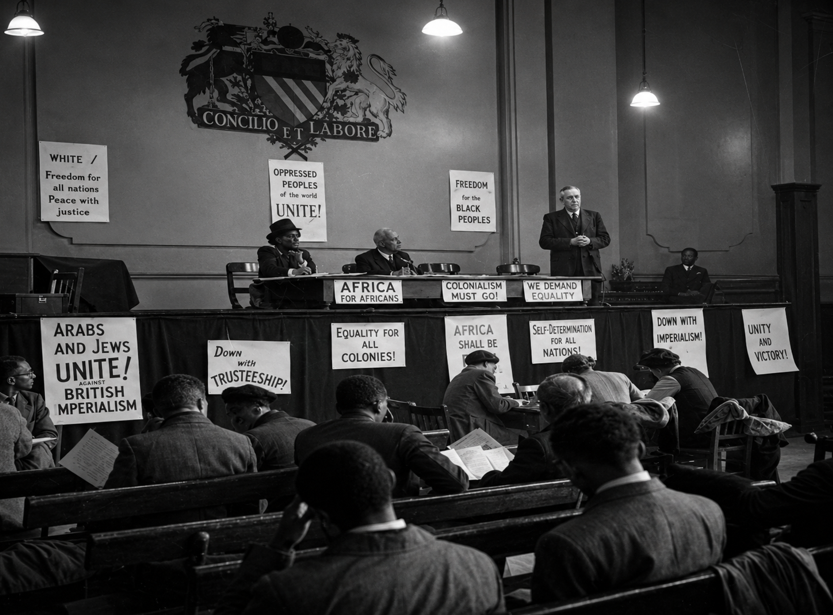
In general, Pan-Africanism united the people of Africa and African diaspora in the struggle for their rights. This was achieved through pamphlets published and circulated throughout Africa, Europe, and the New World. After the 1945 Manchester Congress, African nationalists began to form mass political parties. In addition, the conference published the Atlantic Charter and the British West Africa, which proclaimed the principle of self-determination advocated by President Franklin Delano Roosevelt of USA.
The Accra Conference of 1958
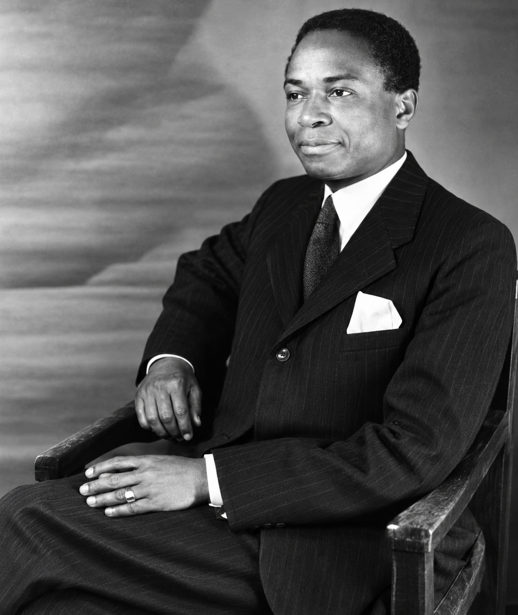
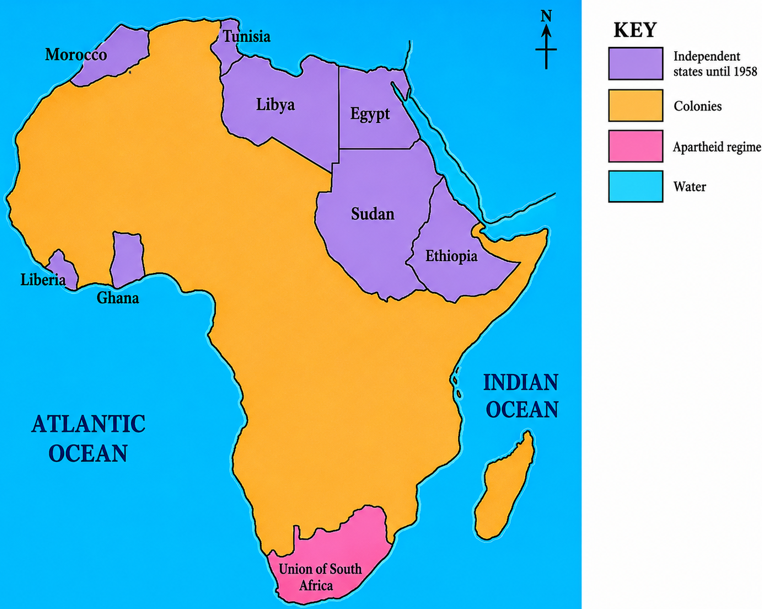
Ghana gained independence from Britain in 1957 under Kwame Nkrumah. Ghana’s independence was a historic achievement for the African people and African continent as a whole. After independence, Kwame Nkrumah and George Padmore (inset) organised the first Conference of independent African states in Accra, in April 1958. The independent African states that attended the conference were Morocco, Tunisia, Libya, Egypt, Sudan, Ethiopia, Ghana and Liberia. This was the first Pan-African conference ever held in Africa. It was the first conference in African history that brought together representatives from different parts of Africa with the aim of building friendship, brotherhood, co-operation and solidarity in Africa.
The Accra Conference passed several resolutions, including anti-colonialism agenda. The conference was determined to bring colonialism to an end in Africa. It announced clearly that African freedom and independence were a necessity. Slogans such as “Africa Must Be Free,” “Hands Off Africa,” or “Down with Imperialism and Colonialism” were used to conscientise the Africans towards total liberation. In the effort to end colonialism and imperialism, the conference called upon the independent African states to provide maximum support towards African independence and self-determination. Nkrumah and Padmore asserted that African states should provide all possible assistance to the countries that were still struggling for independence in Africa. Accordingly, to Nkrumah, the independence of Ghana was meaningless unless it was linked up with the total liberation of the entire African continent. Similarly, the delegates expressed their opposition against racism, particularly in South Africa, and their support for nuclear disarmament.
Moreover, the delegates were determined to coordinate economic planning and cooperation among African countries. To ensure this, they established commitments to encourage educational and cultural exchanges and the study of African history and cultures. Finally, the delegates resolved that such conferences should be held every two years.
In order to promote continental unity, a suggestion was made in the Accra Conference to create an African Commonwealth, or a United States of Africa. Generally, that conference marked a shift in the focus and activities of Pan-Africanism. Instead of dealing with the grievances of black people in the New World, it now focused on the promotion of African unity and support for the liberation struggles in the rest of the continent.
| Exercise “Our independence is meaningless unless it is linked up with the total liberation of the African continent.” Nkrumah (1953). Discuss. |
The idea of African unity was originally conceived by George Padmore, and was succeeded to impart this idea into Nkrumah’s thoughts. After the independence of Ghana in 1957, Nkrumah became a champion of African unity. His efforts led to the formation of the Organisation of African Unity (O.A.U) in 1963, currently known as African Union (AU). Figure 1.4 shows African states that attended the Accra Conference.
|
Figure 1.4: Independent African states that attended Accra Conference of 1958 |
| Activity 1.3 Suppose you happened to live during the wave of Pan-Africanism of 1900 up to 1960, what would you do differently to facilitate the movement? Use various sources including on-line materials to prepare a presentation to share in the class for discussion. |
From Pan-Africanism to the Organization of African Unity (OAU)
On 25th May 1963, a summit of the African Heads of States convened in Addis Ababa, Ethiopia. That meeting ended with a resolution to create a continent-wide organisation, namely the Organisation of African Unity (OAU). The idea of forming the OAU was supported by African prominent leaders, including Haile Selassie from Ethiopia, Kwame Nkrumah from Ghana, Ahmed SekouToure from Guinea, and Julius Nyerere from Tanganyika. Those leaders took various decisive measures to ensure strong unity among Africans as well as economic independence.
The formation of the OAU was the first initiative taken to promote unity and cooperation among African states. The OAU advocated for the decolonisation of the remaining colonies in Africa and the resolution of conflicts through peaceful means. It also provided a platform for member states to collaborate on common issues and challenges.
The OAU embraced the doctrine of Pan-Africanism and fostered regional cooperation and development. The other main agenda was to eradicate racial discrimination and racial supremacy on the African continent, particularly in South Africa. In essence, the OAU asserted Africans’ sovereignty over their own socio-economic and political resources, while striving for the freedom, which is essential for progress. For instance, during the struggle against apartheid in South Africa, the OAU extended political, material, and diplomatic support to the African National Congress (ANC) against the apartheid regime. Consequently, the OAU achieved a landmark victory in 1994 when a new democratic government, under the leadership of Nelson Mandela, was established in South Africa.
Building on the legacy of the OAU, the African Union was established in 2002 to promote integration, peace, and development on the African continent. The AU represents a renewed commitment to Pan-Africanism, with its fundamental principles emphasising unity, solidarity, and the common destiny of the African people. The AU has undertaken initiatives to enhance political and economic cooperation among African states, promoting objectives of Pan-Africanism. In 2012, it also formulated African Governance Architecture (AGA) as a framework for promoting good governance and strengthening the rule of law and human rights across the African continent.
Pan-Africanism since 1960
The Pan-African mission after independence was deeply moved in the quest for African unity and economic liberation. Although decolonisation has been achieved and the goals of political independence realised, African continent has remained vulnerable to external intervention, including neo-colonialism and racism. Since 1960s, the objectives of Pan-Africanism have been shaped by historical, political, social, and economic factors. Therefore, as a movement it strives to accomplish the following objectives:
Firstly, the liberation of African countries from colonial rule and the promotion of political unity among African nations. This objective was particularly important during the period of decolonisation in the 1960s when many African countries were still struggling for independence from colonial powers. Pan-Africanism sought to support liberation movements in the remaining colonies and foster solidarity among the newly independent African states.
Secondly, Pan-Africanism has been dedicated to promote regional integration and economic development across the continent. This includes efforts to strengthen intra-African trade, reduce economic dependence on the former colonial powers, and foster regional economic cooperation through organisations, such as the African Union (AU), Economic Community of West African States (ECOWAS), and the East African Community (EAC).
Thirdly, Pan-Africanism has also been concerned with advocating for social justice, human rights, and equality for all Africans, regardless of ethnicity, religion, or gender. This includes addressing issues such as poverty, inequality, discrimination, and injustice among African societies, as well as promoting democratic governance, rule of law, and accountability. It also emphasises global solidarity and anti-imperialism and advocates for a more just and equitable global order. This includes supporting struggles against imperialism, colonialism, neo-colonialism, and other forms of oppression, as well as advocating for reforms in international institutions to serve the interests of African nations and other developing countries.
Additionally, efforts have been made to educate African citizens about the importance of unity and cooperation among nations. This includes promoting awareness of shared history, values, and goals, as well as the benefits of collaboration in addressing common challenges like poverty, disease, and underdevelopment. The emphasis on unity and cooperation among African people was made on the basis of common historical experiences and shared cultural heritage. For instance, cultural exchanges, festivals, and events that celebrate African shared heritage and foster mutual understanding have been used to promote unity among societies. This sense of unity has strengthened the African nations’ determination in their struggle against colonialism and later against neo-colonialism.
Furthermore, the formation of Regional Economic Communities (RECs) was another initiative taken to boost economic development in Africa. These are sub-regional organisations formed by African countries to promote intra-African trade and economic cooperation and integration. Examples include the Economic Community of West African States (ECOWAS), the East African Community (EAC), and the Southern African Development Community (SADC). The RECs worked towards harmonising policies, promoting trade, and addressing common challenges within their respective regions.
Moreover, African nations have collaborated through the AU to organise peacekeeping missions to different conflict zones, such as the African Union Mission in Somalia (AMISOM) and the United Nations/African Union Hybrid Operation in Darfur (UNAMID). These efforts aim at stabilising the regions affected by conflict and promoting peace and security.
Economic exploitation of Africa by colonial powers led to the underdevelopment of indigenous economies, particularly industries. Pan-Africanists recognised economic independence as crucial for liberating African nations from the grip of neo-colonialism and achieving self-sufficiency. In order to achieve this, initiatives such as the nationalisation of key industries, redistribution of land, agrarian reforms, and equitable distribution of wealth to uplift the masses were taken. For example, Nkrumah’s Seven-Year Development Plan aimed at industrialising the economy and reducing dependence on foreign aid and imports. The plan was introduced in 1964 as part of his vision for economic development and modernisation of Ghana after the country gained independence from British colonial rule in 1957. The plan aimed at transforming Ghanaian economy from its primarily agrarian base into an industrialised nation within seven years. It focused on various sectors, such as agriculture, industry, infrastructure, education, and healthcare. Other initiatives include import-substitution industrialisation by newly independent African nations to reduce dependence on foreign imports and build domestic production capacity.
Pan-Africanists continued to advocate for economic sovereignty for trade, debt relief, and regional cooperation to promote industrialisation and diversification. Initiatives such as the African Continental Free Trade Area (AfCFTA), launched on 21 March 2018, represent the efforts towards economic integration and self-reliance. AfCFTA seeks to promote economic growth, industrialisation, and sustainable development across Africa. It also aims at addressing poverty and inequalities as well as tariff reduction and elimination, boosting intra-African trade, industrial development and sustainability.
Liberation Movements in Africa (1960s and 1970s)
The 1960s witnessed a wave of decolonisation movements across Africa, with many nations gaining independence from European colonial powers. This period marked a significant step towards Pan-African unity, as newly independent African nations sought to assert their sovereignty and foster cooperation among themselves. Leaders such as Kwame Nkrumah of Ghana and Julius Nyerere of Tanzania championed the ideals of Pan-Africanism, advocating for solidarity and collective action among African states. Between 1960 and 1970, liberation movements emerged in various countries such as Namibia, Angola, Mozambique, Zimbabwe, and South Africa, seeking to overthrow colonial domination or white minority rule. These movements gathered support from Pan-Africanist organizations and individuals across the continent and in the diaspora. The struggle against colonialism and apartheid became central focus of Pan-African solidarity during this period, with solidarity movements mobilizing globally to support liberation efforts in Africa. Therefore, in 1963, the Organization of African Union Liberation Committee was formed mainly for advocating the liberation of Southern African countries.
The collapse of apartheid in South Africa in the early 1990s was a turning point for Pan-Africanism. The anti-apartheid struggle had long been a focal point of Pan-African activism, with organizations and individuals worldwide campaigning for the liberation of South Africa and the end of racial discrimination. The struggle resulted to the release of Nelson Mandela and the transition to majority rule in South Africa, which symbolized the achievement of Pan-Africanist ideals of justice, equality, and solidarity.
Pan-Africanism and Black Liberation Movements
Cultural movements and the revival of Pan-African identity also played a crucial role in fostering unity among people of African descent.
Moreover, the contribution of the diaspora to Africa’s cultural renaissance would also be recognized. People within and outside Africa have made great contribution to bring cultural equality in the areas of literature, music, and film. In the post-independence period, African and its diaspora have produced several Nobel laureates in African literature, including Wole Soyinka of Nigeria, Naguib Mahfouz of Egypt, and Nadine Gordimer of South Africa. Similarly, there was the establishment of African liberation heritage programmes in Africa mainly for documenting, preserving, promoting and recreating the African liberation heritage. These programmes often spearheaded by governments, international organizations, and nongovernmental entities, focus on preserving the history and legacy of the struggle for independence and freedom across the continent. The notable examples include, African World Heritage Fund (AWHF), Liberation Heritage Route (LHR) Project in South Africa, Nelson Mandela Foundation and UNESCO’s “The Slave Route Project”.
Globalisation and Pan-Africanism
The process of globalisation has facilitated greater connectivity and interaction among people across the African diaspora. Pan-Africanist ideas have evolved to encompass the experiences of the African-descendant communities worldwide, including those in the Americas, Europe, and the Caribbean Islands. Ideas of identity, empowerment, and liberation within a global context, have emerged, and expanded the scope of Pan-Africanist thought.
Therefore, Pan-Africanism symbolised the belief of self-determination and struggle for freedom from colonial domination across the African continent. Currently, the movement continues to inspire the reform of Africa peace, unity, solidarity, regional and economic integration. Contemporary efforts have been delegated to the African Union (AU), the Regional Economic Communities (RECs), with technical support from the African Development Bank (AfDB) and the United Nations Economic Commission for Africa (ECA). These Pan-African institutions have made some progress in providing support for a meaningful Pan-African agenda in the 21st century. However, such institutions cannot succeed in carrying out the tasks of bringing African unity, peace, stability and development without the political will and the necessary financial support.
| Activity 1.4 Read various publications on African-Americans in the New World to approve or disapprove whether Pan-Africanism is still relevant today. |
Exercise
1. “Using the knowledge you have gained from this chapter, what do you think might be the challenges facing Pan-Africanism in the contemporary world?”
2. Conduct a library study on why economic independence was viewed as essential for liberating African nations from the grip of colonialism and achieving self-sufficiency.
3. Discuss the major challenges facing African diaspora in the world today.
ANSWER
1. Using the knowledge you have gained from this chapter, what do you think might be the challenges facing Pan-Africanism in the contemporary world?
(i) Political instability and armed conflicts.
Civil wars, coups and interstate conflicts weaken African unity and reduce cooperation among African states.
(ii) Neocolonialism.
Continued political and economic influence by former colonial powers limits Africa's independence and unity.
(iii) Economic inequality.
Differences in economic development among African countries make regional integration difficult.
(iv) Corruption and poor governance.
Mismanagement of public resources reduces trust, accountability and regional cooperation.
(v) Ethnic, religious and cultural divisions.
Internal divisions often create conflicts that weaken Pan-African solidarity.
(vi) Border disputes.
Conflicts over colonial boundaries continue to create tension among neighbouring states.
(vii) Weak implementation of African Union policies.
Failure to fully implement agreed policies slows the achievement of Pan-African goals.
(viii) Poverty and unemployment.
High poverty and unemployment reduce the capacity of many countries to support regional development initiatives.
(ix) Terrorism and insecurity.
Armed extremist groups threaten peace, security and economic development across Africa.
(x) Dependence on foreign aid and technology.
Heavy reliance on external assistance limits Africa's economic independence and self-reliance.
Conclusion.
Despite these challenges, Pan-Africanism remains an important foundation for promoting African unity, development and cooperation.
2. Conduct a library study on why economic independence was viewed as essential for liberating African nations from the grip of colonialism and achieving self-sufficiency.
(i) To end economic exploitation.
Economic independence enabled African countries to stop the exploitation of their natural resources by colonial powers.
(ii) To control national resources.
Africans gained the opportunity to own, manage and utilize their resources for national development.
(iii) To reduce dependence on foreign powers.
Economic independence reduced reliance on foreign aid, imports and external financial support.
(iv) To promote industrial development.
Countries were able to establish industries that added value to local raw materials.
(v) To create employment opportunities.
Local industries and investments increased employment and improved living standards.
(vi) To strengthen political sovereignty.
Economic freedom enabled governments to make independent national decisions.
(vii) To improve agricultural production.
Investment in agriculture increased food production and enhanced food security.
(viii) To increase government revenue.
Control of national resources enabled governments to finance education, health and infrastructure.
(ix) To promote regional economic cooperation.
Economic independence encouraged trade and investment among African countries.
(x) To achieve sustainable development.
Self-reliance created a strong foundation for long-term economic growth and national development.
Conclusion.
Economic independence was considered essential because it enabled African countries to control their own development and reduce foreign economic domination.
3. Discuss the major challenges facing the African diaspora in the world today.
(i) Racial discrimination.
Many members of the African diaspora continue to experience discrimination in employment, education and public services.
(ii) Xenophobia.
Negative attitudes toward immigrants expose many Africans abroad to hostility and violence.
(iii) Unemployment and underemployment.
Some members of the diaspora face limited employment opportunities despite having qualifications.
(iv) Cultural identity challenges.
Assimilation into foreign societies may lead to the loss of African cultural values and traditions.
(v) Social exclusion.
Some African communities experience unequal treatment and limited social integration.
(vi) Immigration restrictions.
Strict immigration laws affect residence, employment and family reunification.
(vii) Economic hardships.
High living costs and limited income opportunities affect the welfare of many Africans abroad.
(viii) Limited political representation.
Members of the African diaspora are often underrepresented in political and decision-making institutions.
(ix) Human rights violations.
Some individuals experience discrimination, unfair treatment and unequal access to justice.
(x) Weak connection with their countries of origin.
Distance and changing social conditions sometimes make it difficult to maintain strong cultural and economic ties with Africa.
Conclusion.
The African diaspora continues to make valuable contributions worldwide, but addressing discrimination, inequality and social exclusion is important for improving their well-being and strengthening their relationship with Africa.
www.learninghubtz.co.tz
Revision exercise
1. With vivid examples, trace the origin of the African-Americans who are in the New World.
2. Explain the historical events that led to the enslavement of African-Americans in the New World during the mercantile period.
3. Assess the achievements of African-Americans in the New World in their struggles through “Back to Africa movement” and “Black Solidarity”.
4. Explain the major attempts made by African-Americans in the New World to liberate themselves from exploitation.
5. Examine the role played by African-Americans in the political development of Africa.
6. Which social, political, and economic factors gave rise to the Pan-African movement in the United States of America towards the end of the 19th century?
7. Evaluate the impact of African-Americans and African-Caribbeans on the African continent.
8. Briefly outline the methods used by African-Americans in the U.S.A. to attain their civil and political rights.
9. Identify the role played by the African-Americans in the development of capitalism in the U.S.A.
10. The struggles of Pan-Africanists during and after independence were deeply intertwined with the pursuit of Africa unity and economic independence. Explain.
11. Discuss the relevance of Pan-Africanism in the world today.

Hub App
 For Call,Sms&WhatsApp: 255769929722 / 255754805256
For Call,Sms&WhatsApp: 255769929722 / 255754805256  MATOKEO YA KIDATO CHA VI 2026
SECONDARY REGIONAL EXAMS
PRIMARY REGIONAL EXAMS
FORM VI NECTA REVIEWS
FORM IV NECTA REVIEWS
FORM II NECTA REVIEWS
STD VII NECTA REVIEWS
STD IV NECTA REVIEWS
SECONDARY EXAMS SERIES
PRIMARY EXAMS SERIES
PRIMARY SUBJECT NOTES
SECONDARY SUBJECT NOTES
SECONDARY TOPICAL EXAMS
SECONDARY TOPICAL QUESTIONS
PRIMARY TOPICAL QUESTIONS
PRACTICAL EXAMS & NOTES
SECONDARY REGIONAL EXAMS
DOWNLOAD SUBJECT NOTES
SCHEMES OF WORK (PRIMARY & SECONDARY)
LESSON PLAN
SECONDARY LOG BOOKS
PRIMARY LOG BOOKS
LITERARY WORKS / UCHAMBUZI VITABU
METHALI ZOTE ZA KISWAHILI
Vitendawili Vya Kiswahili
FORM VI RESULTS 2024
FORM FIVE SELECTION 2024
Matokeo KIDATO CHA II 2024
Matokeo Darasa IV 2024
MATOKEO KIDATO CHA IV 2023
FORM ONE SELECTION 2024
FORM VI RESULTS 2023
Matokeo Darasa IV 2022
MATOKEO YA KIDATO CHA VI 2026
SECONDARY REGIONAL EXAMS
PRIMARY REGIONAL EXAMS
FORM VI NECTA REVIEWS
FORM IV NECTA REVIEWS
FORM II NECTA REVIEWS
STD VII NECTA REVIEWS
STD IV NECTA REVIEWS
SECONDARY EXAMS SERIES
PRIMARY EXAMS SERIES
PRIMARY SUBJECT NOTES
SECONDARY SUBJECT NOTES
SECONDARY TOPICAL EXAMS
SECONDARY TOPICAL QUESTIONS
PRIMARY TOPICAL QUESTIONS
PRACTICAL EXAMS & NOTES
SECONDARY REGIONAL EXAMS
DOWNLOAD SUBJECT NOTES
SCHEMES OF WORK (PRIMARY & SECONDARY)
LESSON PLAN
SECONDARY LOG BOOKS
PRIMARY LOG BOOKS
LITERARY WORKS / UCHAMBUZI VITABU
METHALI ZOTE ZA KISWAHILI
Vitendawili Vya Kiswahili
FORM VI RESULTS 2024
FORM FIVE SELECTION 2024
Matokeo KIDATO CHA II 2024
Matokeo Darasa IV 2024
MATOKEO KIDATO CHA IV 2023
FORM ONE SELECTION 2024
FORM VI RESULTS 2023
Matokeo Darasa IV 2022
WHATSAPP US NOW FOR ANY QUERY
App Ya Learning Hub Tanzania